NBA betting rewards those who approach it with structure and discipline. Understanding the mechanics behind moneyline wagers, point spreads, and totals separates informed bettors from those simply guessing. The lines move, the variables shift, and the strategies that consistently generate value are rarely obvious. What follows breaks down everything a bettor needs to know before placing a single dollar on an NBA game.
Key Takeaways
- Choose a reputable sportsbook that offers competitive NBA odds, various betting markets, and reliable payouts before placing any wagers.
- Understand core bet types: moneyline picks outright winners, point spread sets victory margins, and over/under targets combined scores.
- Factor in player injuries, back-to-back fatigue, and sharp betting action, as these significantly influence NBA betting lines.
- Manage your bankroll by wagering only 1-3% per bet and setting strict daily loss limits to minimize risk.
- Track all wagers using spreadsheets to measure performance, maintain accountability, and transition toward a structured, data-driven betting approach.
What Is NBA Betting and How Does It Work?
NBA betting encompasses a range of wagering options on basketball game outcomes, with sportsbooks setting odds based on team performance, injuries, and other relevant factors. Core betting options include moneyline wagers, point spreads, and over/under totals. The moneyline requires bettors to select outright winners, while point spreads establish victory margins that favored teams must cover. Player props offer targeted wagering on individual statistics, including points, assists, and rebounds.
NBA odds operate on a plus/minus system, where negative figures indicate favorites and positive figures represent underdogs. Betting lines shift based on public sentiment and breaking player news, making line movement a critical analytical factor. Bettors can place bets pre-game or adjust positions through live wagering as real-time developments reshape game dynamics and odds.
NBA Bet Types Every Bettor Should Know
Basketball bettors have access to several distinct wager types, each carrying its own risk profile and strategic application. In NBA games, moneyline bets offer the simplest structure — selecting an outright winner with betting odds reflecting implied probability. Point spread betting introduces margin requirements, compelling favorites to cover the spread by a designated point threshold. Over/under totals shift focus to combined scoring output, typically set in the low-to-mid 230s, removing team outcome entirely from the equation. Player prop bets target individual performance metrics — points, assists, rebounds — providing granular wagering opportunities beyond team-level results. Same-game parlays bundle multiple NBA bet types into one high-risk, high-reward wager requiring every selection to hit. Each format demands a distinct analytical framework, and disciplined bettors identify which structure aligns with their research strengths.
How to Read NBA Odds
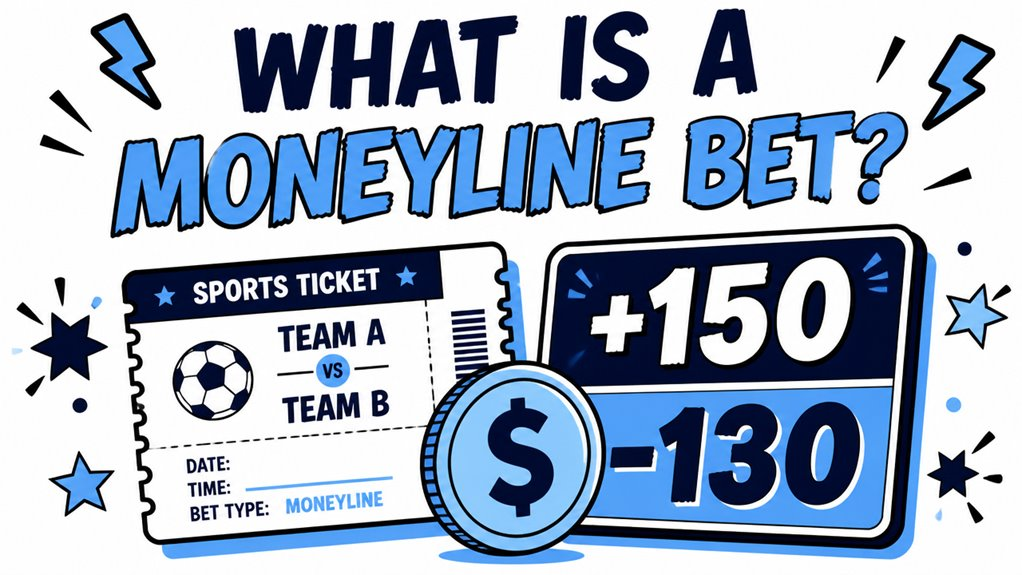
Reading NBA odds correctly forms the foundation of every informed betting decision. NBA odds appear in American format, where negative values identify the favorite and positive values mark the underdog. A moneyline odds figure of -250 requires a $250 wager to profit $100, while +150 returns $150 on a $100 bet.
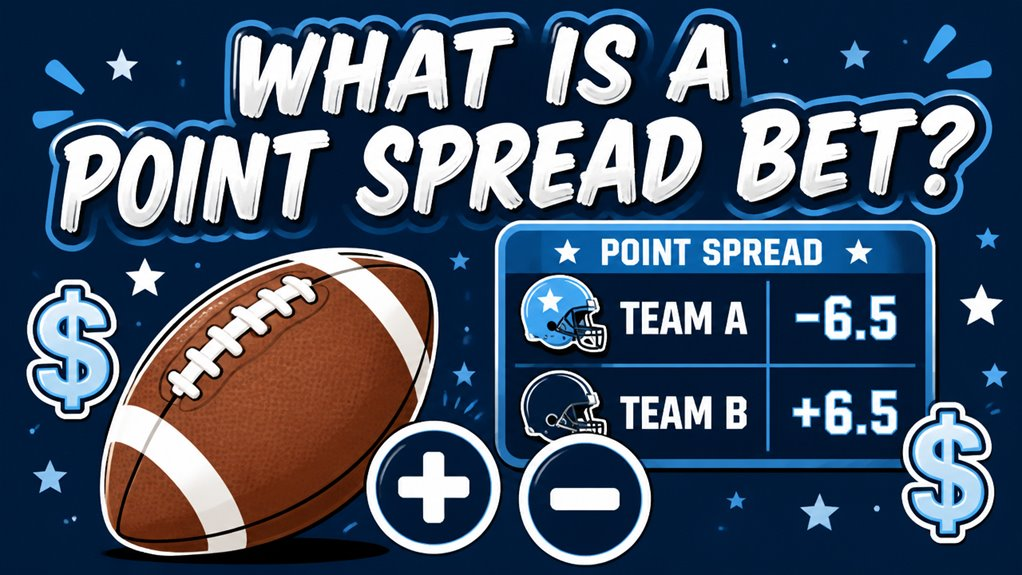
Point spread betting demands the favorite cover the spread by exceeding a set margin, whereas the underdog simply must avoid losing beyond that threshold. Total points markets present a combined score benchmark, typically near 230.5, requiring bettors to predict whether scoring goes over or under.
Across all betting markets, public money, injury reports, and recent performance consistently shift lines. Recognizing those movements allows bettors to identify genuine value before odds adjust further.
How to Place Your First NBA Bet
Placing the first NBA bet becomes straightforward once odds are understood. Bettors looking to bet on NBA games should begin by selecting a licensed sportsbook like DraftKings, which offers extensive betting options including moneyline bet selections, point spread wagers, and player props. After creating an account and depositing funds, bettors should analyze NBA odds carefully before committing. The moneyline bet suits those predicting outright winners, while the point spread demands margin-of-victory precision. Before placing a first bet, reviewing player injuries and game day lineups proves crucial, as roster changes directly impact player performance and shift odds significantly. Negative odds identify favorites; positive odds signal underdogs. Applying this structured approach transforms the first bet from guesswork into a calculated, well-informed choice grounded in current data.
NBA Betting Strategies That Actually Work
Winning NBA bettors separate themselves through disciplined, data-driven strategies rather than intuition or team loyalty. Closing line value serves as a reliable performance benchmark—consistently beating closing line value indicates alignment with sharp money movement. Monitoring player injuries before tip-off remains crucial, as last-minute absences directly affect point spreads and create exploitable betting opportunities.
Effective bankroll management requires disciplined bet sizes between 1-3% of total funds, preventing catastrophic losses during inevitable downswings. Live betting rewards attentive observers who recognize when odds shift following turnovers or scoring runs, providing real-time edges unavailable pre-game.
Perhaps most critically, successful NBA betting strategies demand resisting the pull of popular teams. Inflated public perception distorts lines around marquee franchises, creating situations where fading popular teams yields measurably better long-term returns.
Key Factors That Shift NBA Betting Lines
Understanding why lines move is the logical next step after mastering the strategies that exploit those movements. Several forces drive shifts in betting lines, and recognizing them separates informed bettors from casual ones.
Player injuries trigger the most immediate adjustments. When key players are ruled out, sportsbooks rapidly recalibrate point spreads and moneyline values to reflect diminished team performance. Public sentiment surrounding star athletes further amplifies these shifts, particularly when winning or losing streaks reshape perceptions of team dynamics.
Sharp betting action from professional bettors carries significant weight. Sportsbooks monitor large, informed wagers closely and adjust lines to limit their exposure. Back-to-back game fatigue likewise pressures oddsmakers to revise numbers, as degraded performance directly undermines projected outcomes. Each factor compounds the others, creating constantly evolving lines.
Regular Season vs. Playoffs Betting Differences
Shifting from regular season to playoff betting requires recalibrating core assumptions, as the two environments operate under fundamentally different conditions. During the regular season, betting markets experience sharp fluctuations driven by injuries, player load management, and public sentiment, making real-time information crucial for identifying value. Bettors tracking lineup changes gain measurable advantages given the high game volume. Conversely, playoff betting lines reflect concentrated action from sharper bettors, reducing exploitable inefficiencies. Scoring totals drop significantly in playoff settings because of intensified defensive schemes, demanding adjusted over/under expectations. Covering the spread additionally behaves differently across both contexts — playoff spreads cluster less around key numbers, diminishing the value of buying points. Recognizing these structural distinctions separates disciplined bettors from those applying uniform strategies across both formats.
Where to Bet on NBA Games
Selecting the right platform for NBA betting begins with understanding the legal environment, as sports wagering remains subject to state-level regulation across the United States. Licensed sportsbooks such as DraftKings, FanDuel, and BetMGM provide access to extensive NBA betting markets, enabling bettors to place wagers on any team or game efficiently.
Choosing the right NBA betting platform starts with knowing your state’s laws and sticking to licensed sportsbooks.
Key platform advantages include:
- Odds comparison: Spread and moneyline odds vary across sportsbooks, making multi-platform accounts strategically valuable.
- Mobile accessibility: Apps allow bettors to engage basketball games in real time, improving decision-making efficiency.
- Market depth: Leading platforms offer diverse sports betting options beyond standard win/loss outcomes.
Bettors maximize returns by maintaining accounts across multiple sportsbooks, ensuring consistently favorable odds regardless of which team or game they target.
Bankroll Management and Responsible Gambling
Choosing the right sportsbook establishes the foundation for NBA betting, but long-term profitability depends similarly on disciplined bankroll management. Bettors should set a budget and wager only 1–3% per bet to lessen risk during inevitable downswings. Establishing limits on daily losses and bet frequency prevents emotional decision-making and reduces exposure to financial strain.
To monitor wagers effectively, tracking tools such as spreadsheets provide measurable accountability over outcomes and overall performance. This analytical approach transforms betting experience from reactive to structured.
Recognizing early signs of a gambling problem—escalating frequency, emotional reactions, or loss-chasing—is just as critical. Responsible gambling resources, including self-exclusion options and support organizations, exist precisely to keep betting sustainable. Disciplined management guarantees NBA wagering remains financially controlled rather than damaging.