Live betting, as well as known as in-play betting, allows bettors to place wagers on sporting events while they unfold in real time. Unlike traditional betting, odds shift dynamically throughout the game, reflecting every development on the field. This creates a fundamentally different experience — one that demands speed, strategy, and a sharp understanding of the sport. What separates successful live bettors from the rest goes far deeper than instinct alone.
Key Takeaways
- Live/in-play betting allows wagers to be placed on sporting events while they are actively in progress.
- Odds are continuously recalibrated in real time based on game developments, injuries, and momentum shifts.
- Common live bet types include next scorer, over/under totals, and sport-specific options like next corner.
- Live betting carries higher vig than pre-game betting due to rapid, dynamic odds changes.
- As of 2023, live betting is legally available in 38 U.S. states and Washington, D.C.
What Is Live/In-Play Betting?
Live betting, commonly referred to as in-play betting, is a form of sports wagering that allows bettors to place bets on an event while it is actively in progress. Unlike traditional pre-game wagering, live betting features dynamic odds that continuously shift in response to real-time developments, including momentum changes, scoring events, and player performance. These odds can fluctuate within seconds, demanding swift, well-informed choices. Available betting options extend beyond simple outcomes, encompassing next scorer, over/under totals, and various prop bets. This expanded flexibility improves engagement but simultaneously introduces risk. The fast-paced environment is particularly susceptible to impulse betting, making discipline crucial. As of 2023, 38 U.S. states and Washington, D.C. have legalized in-play betting, reflecting its significant regulatory expansion.
How Live Betting Odds Work in Real Time
Unlike pre-game odds, which remain static until tipoff, live betting odds operate through a continuous recalculation process driven by real-time game data. Sportsbooks display live betting odds under dedicated “Live Now” sections, where values shift based on scoring events, player injuries, and team performance fluctuations. In-play betting platforms temporarily suspend markets following significant game developments, allowing algorithms to recalibrate odds before bettors can place a bet.
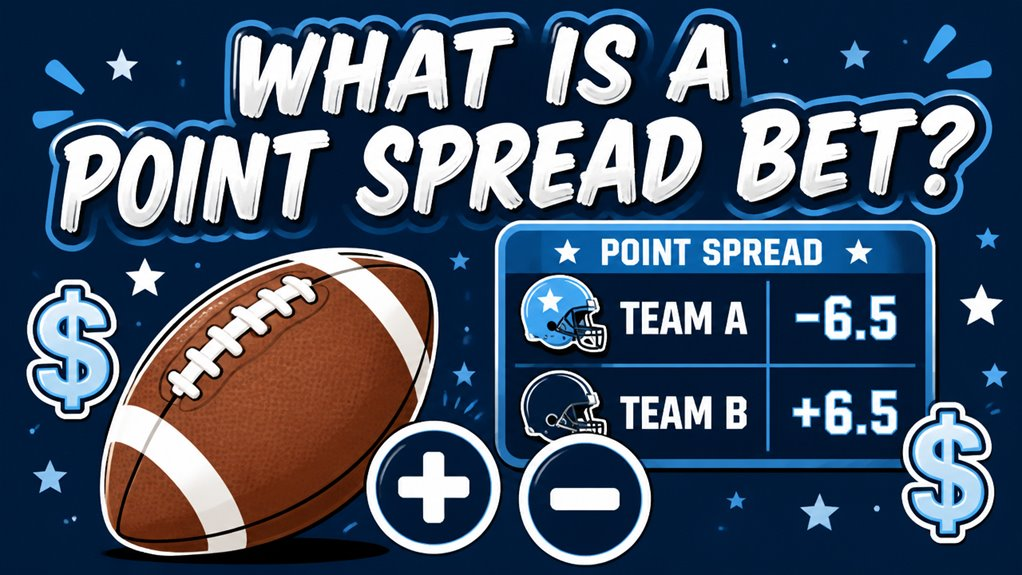
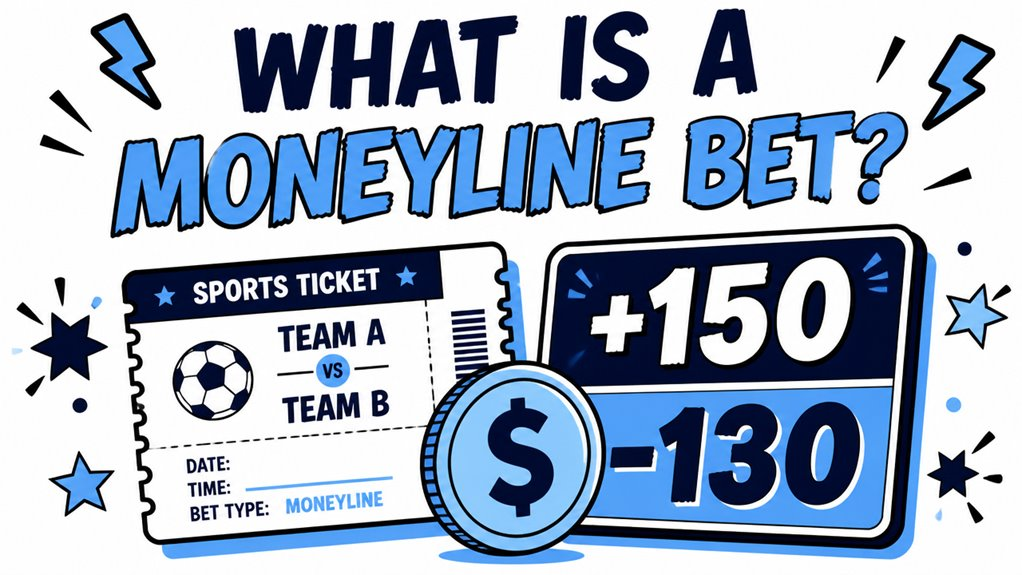
This real time based system means odds change within seconds, requiring bettors to act decisively. Sports betting operators offer Moneylines, Spreads, Totals, and short-term player props throughout live markets. Betting allows participants to capitalize on favorable positions, though advantageous lines can vanish almost instantly. Understanding how in-play betting odds function is crucial for executing informed, timely wagering decisions during live sporting events.
Types of Bets You Can Place During a Game
Wagering options available during live events extend well beyond standard pre-game markets, offering bettors a diverse range of short-term, outcome-specific wager types. Live betting markets allow participants to place a live bet on rapidly evolving game situations, capitalizing on momentum shifts as they develop. The next team to score option predicts which side will register the following point or goal, while next player to score narrows that focus to individual performers. Soccer-specific bettors can target next corner, anticipating which team earns the following corner kick. Over/under total points wagers facilitate predictions on combined scoring relative to a set line. Tennis introduces next set winner markets, isolating single-set outcomes within ongoing matches. Each option demands real-time analysis and decisive execution.
Live Betting vs. Pre-Game Betting: Key Differences
Understanding how in-play wagers differ from their pre-game counterparts clarifies why live betting demands a fundamentally distinct approach. Pre-game betting requires bettors to place a bet before the opening whistle, locking in fixed odds across more limited markets. Wagering during a game operates differently on every level.
Live betting markets expand dynamically, offering propositions that shift as momentum swings alter the competitive terrain. Odds update in real-time, reflecting injuries, scoring runs, and tactical adjustments that pre-game bettors never had access to. This responsiveness creates stronger wagering opportunities for observant bettors who identify developments as they unfold.
However, this environment carries a cost. Live odds typically carry higher vig than pre-game lines, compensating sportsbooks for the increased risk of pricing rapidly changing game states.
The Real Advantages of Betting In-Play
Live betting carries several structural advantages that pre-game wagering cannot replicate. Bettors who place a bet during an event can respond directly to real-time developments—injuries, momentum shifts, and tactical changes—that pre-game analysis cannot account for. This access to visual confirmation supports more informed wagering decisions than static statistics alone provide.
The range of available betting markets expands considerably in-play, covering immediate outcomes such as the next scorer or next possession result. These options do not exist before tip-off or kickoff. Furthermore, bettors can hedge prior positions by placing live bets that offset pre-game exposure as circumstances evolve.
Favorable odds emerge regularly as sportsbooks adjust rapidly to unfolding events. This continuous fluctuation creates a dynamic experience that rewards disciplined, analytically focused bettors capable of acting decisively under time pressure.
Risks You Need to Know Before Betting Live
The structural advantages of in-play wagering exist alongside a set of genuine risks that warrant equal scrutiny. Live betting compresses decision-making into brief windows, pushing bettors toward poorly calculated wagers driven by time pressure rather than analysis. Fluctuating odds demand sustained attention, making it difficult to secure favorable positions consistently. The accelerated pace weakens discipline, causing bettors to breach their intended betting limits or lose financial oversight entirely. Immediate feedback further complicates performance assessment, obscuring the true cost of losses sustained during active play. Most critically, engaging without a defined strategy amplifies impulse betting tendencies, creating conditions where a gambling problem can develop undetected. Each bet placed in a live environment carries compounded exposure that careful, pre-match wagering typically avoids.
Is Live/In-Play Betting Legal?
Whether live betting is legally accessible depends almost entirely on where a bettor is located. Jurisdictions across the U.S. and globally apply distinct regulations governing in-play wagering, making legal awareness crucial before participating.
Key legal considerations include:
- U.S. Availability – Live betting is currently legal in 38 states and Washington, D.C., reflecting steady regulatory expansion across domestic sports gambling markets.
- Evolving Legislation – States like Oklahoma and Missouri are actively pursuing legislation to broaden legal in-play wagering frameworks.
- International Regulations – Many countries maintain established regulatory frameworks for live betting, though specifics vary considerably across jurisdictions.
The growing legalization of live betting continues driving record gambling industry profits, signaling a sustained global shift toward regulated, in-play wagering acceptance.