College football betting generates billions in wagers annually, making it one of the most active markets in sports gambling. Understanding how to navigate spread bets, moneylines, and player props separates casual participants from strategic bettors. Knowing when lines open, how they shift, and why those movements matter can mean the difference between profit and loss. The following breakdown covers everything a bettor needs to approach NCAAF markets with confidence.
Key Takeaways
- Choose a bet type: spread, moneyline, over/under, props, or parlays, each offering different ways to wager on NCAAF games.
- Understand odds formatting: negative numbers indicate favorites, positive numbers indicate underdogs, with standard vig typically set at -110.
- Track line movements between opening and closing lines to identify betting trends and injury impacts before wagering.
- Target key betting events like Conference Championships, Bowl Games, and rivalry matchups for the most favorable opportunities.
- Use advanced bets like futures and same-game parlays to leverage specialized knowledge for potentially higher returns.
Types of College Football Bets Explained
College football betting offers several distinct wager types, each carrying its own risk-reward profile. Spread bets require the favored team to win by a specified margin, while moneyline bets focus strictly on outright winners. Over/Under bets challenge bettors to predict total combined points scored, with lines shifting considerably before kickoff.
For granular engagement, prop bets allow wagering on specific player performances or game events, such as rushing yards or first touchdown scorers. Live betting introduces dynamic opportunities, enabling bettors to place a bet during gameplay as real-time odds continuously adjust. Parlay bets combine multiple selections into one wager, multiplying potential returns alongside compounded risk. Mastering each bet type within college football betting is crucial before committing capital strategically.
How to Read College Football Odds
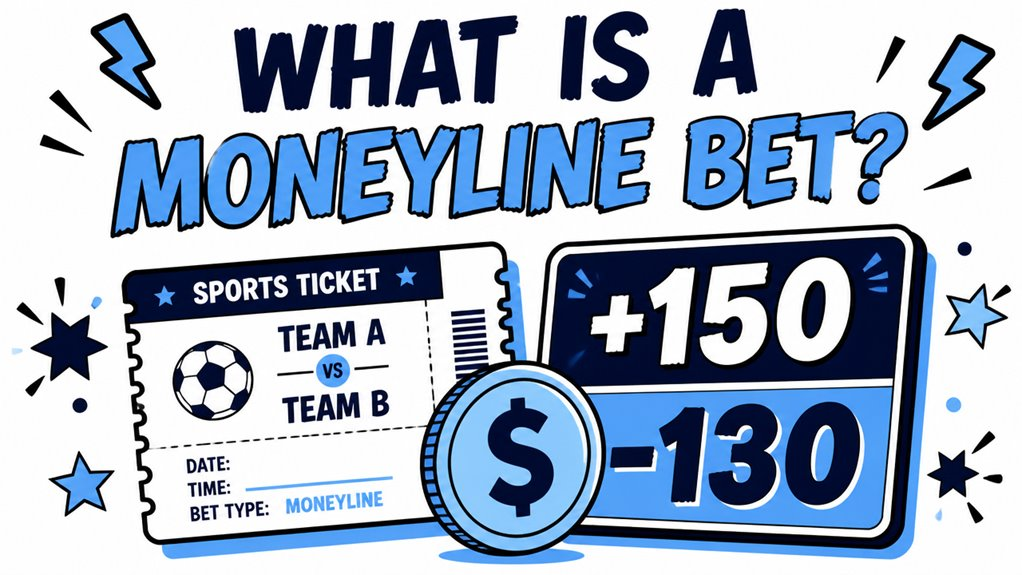
Understanding college football odds begins with recognizing the moneyline format, the numerical foundation of every wager. Positive numbers, like +120, reflect underdog potential, while negative figures, like -120, indicate favorites requiring larger stakes for a winning bet.
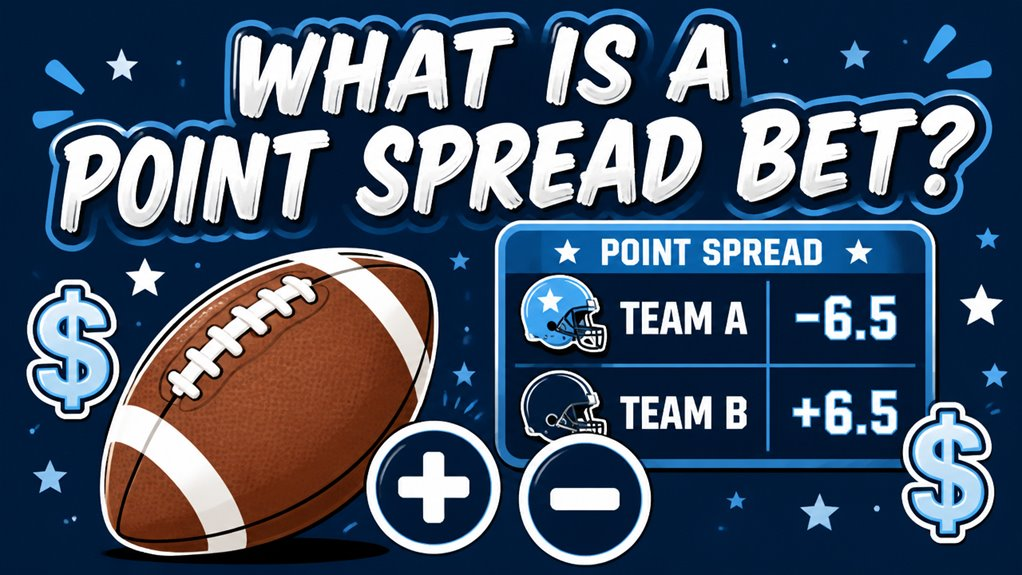
During football season, spread betting compels top teams in the nation, including College Football Playoff contenders, to win by specific margins. A -3 spread means a favored team must win by four or more points.
Total points betting, commonly called over/under, centers on combined scoring. Sportsbooks set lines like 54.5 points, where bettors predict whether teams exceed or fall short of that threshold.
The vig, typically -110 odds, represents the sportsbook’s commission, requiring $110 wagered to profit $100 across spread and total points markets.
College Football Betting Lines: Opening vs. Closing
Every college football betting lines tell a story that begins well before kickoff, starting with the opening lines established by sportsbooks to reflect early assessments of team performance, injury reports, and public perception. Closing lines, on the other hand, capture final market shifts before kickoff.
Key distinctions bettors must understand:
- Opening lines reflect initial sportsbook assessments before significant betting action occurs.
- Closing lines incorporate late-breaking injuries, suspensions, and heavy wagering shifts.
- Line movements signal where majority betting action is concentrated, directly affecting payout potential.
- Betting strategies improve significantly when bettors track movement between opening and closing lines.
For example, Ohio State’s spread shifting from -3.5 to -4.5 after an opposing player’s injury illustrates how team performance updates reshape market conditions entirely.
Advanced Bet Types: Props, Parlays, and Futures
Beyond the standard spread and moneyline wagers, advanced bet types—props, parlays, and futures—offer bettors expanded opportunities to capitalize on specialized knowledge and deeper game analysis. In college football, player props allow targeted wagering on individual performances, including first touchdown scorers or total receptions, making them ideal for bettors with position-specific insights. Parlays combine multiple selections into one wager, where a three-leg parlay at -110 odds can return as high as +595, rewarding bettors who correctly predict multiple outcomes. Same game parlays extend this concept within a single matchup, generating unique NCAAF odds across various in-game markets. Futures betting remains available year-round, enabling wagers on national championship contenders or individual awards, with odds shifting dynamically as team performance and player statistics evolve throughout the season.
The Biggest College Football Betting Events
While advanced bet types expand the strategic toolkit available to college football bettors, the calendar itself determines when those tools carry the greatest weight.
Four college football game events dominate the betting environment:
- Conference Championship Games – Held in early December, these matchups generate sharp betting lines and direct playoff implications.
- New Year’s Six Bowl Games – The Sugar Bowl and Rose Bowl present elite betting opportunities outside the playoff structure.
- College Football Playoff Quarterfinals – Top seeds with byes create measurable line advantages worth analyzing.
- National Championship – The season’s highest-stakes contest, where game outcomes shift dramatically based on public money.
It is important to note that rivalry games throughout the regular season similarly produce volatile betting lines, rewarding bettors with superior situational knowledge.
How to Pick the Right College Football Sportsbook
Selecting the right college football sportsbook demands the same analytical discipline applied to handicapping games. Bettors should begin by comparing welcome promotions across platforms, as these directly impact initial bankroll positioning. Shopping multiple sportsbooks for the best odds on college matchups is crucial, since moneyline prices and prop availability vary considerably between operators.
Regulatory compliance is non-negotiable. Any sportsbook used for betting must hold a valid license within the bettor’s state, ensuring legal protection and fair operating standards. Customer support quality and responsible gambling resources should factor heavily into platform selection, addressing potential issues before they escalate.
Finally, consulting independent reviews and user ratings provides measurable data on platform reliability. A regulated sportsbook with competitive odds, strong promotions, and verified reviews represents the ideal foundation for serious college football betting.
College Football vs. NFL Betting: Key Differences
Once a bettor has identified a regulated, competitively priced sportsbook, understanding the structural differences between college football and NFL betting becomes the next operational priority.
Four distinctions define these betting markets:
- Point spreads in college football regularly exceed 30 points, reflecting significant talent gaps absent in NFL betting.
- Betting markets fluctuate more in college football owing to fewer sharp bettors stabilizing line movements.
- Wager types overlap across both formats, but college football offers broader prop bets driven by higher weekly game volume.
- Public betting action on college underdogs produces sharper spread movements than typically observed in NFL betting.
Notably, player props remain more restricted in college football because of state-level athlete protection regulations, limiting available options compared to professional markets.