Sports betting markets are not neutral environments. Every wager placed carries an embedded cost known as the vig, or juice, a structural mechanism that guarantees sportsbooks profit regardless of game outcomes. Understanding how this cost functions, how it compounds across bet types, and what it ultimately means for long-term returns is crucial knowledge for any serious bettor. The mathematics behind it reveal something most casual bettors never consider.
Key Takeaways
- Vig (or juice) is a commission sportsbooks charge on every bet, ensuring profit regardless of the outcome.
- Standard -110 odds mean risking $110 to win $100, creating approximately a 4.76% built-in house edge.
- Sportsbooks inflate implied probabilities beyond 100%, generating an overround that guarantees long-term bookmaker profitability.
- Vig varies by bet type: point spreads average 4.5%, moneylines 4%-6%, and prop bets up to 12%.
- Bettors must win at least 52.38% of wagers at -110 odds just to break even against the vig.
What Is the Vig / Juice in Sports Betting?
Embedded in every sports bet is a built-in cost known as the vig, or vigorish — a commission sportsbooks charge to guarantee profit regardless of an event’s outcome. This bookmakers commission functions as a structural margin embedded directly into the odds. At standard -110 pricing, a bettor risks $110 to win $100, generating approximately 4.76% vig per wager. This distorts implied probability, pushing the combined probabilities of both outcomes beyond 100% — precisely where the sportsbook’s profit margin lives. For a winning bettor to achieve long-term profitability in sports betting, they must win roughly 52.38% of wagers at -110 just to break even. Line shopping across multiple sportsbooks remains the most effective method for identifying reduced vig, directly improving expected returns over time.
How Bookmakers Use Vig to Guarantee Profit
Sportsbooks do not rely on predicting outcomes to generate profit — they rely on structure. By embedding vig into every betting market, bookmakers extract a commission regardless of which side wins. Standard sports betting lines at -110 mean the total amount collected exceeds fair odds payouts, creating a reliable house edge.
| Bet Type | Typical Vig |
|---|---|
| Point Spread | ~4.5% |
| Totals (Over/Under) | ~4.5% |
| Moneyline | 4%–6% |
| Futures | 6%–10% |
| Prop Bets | 8%–12% |
Higher vig in speculative markets like futures amplifies bookmakers’ profits further. By adjusting lines to balance betting volume across both sides, sportsbooks neutralize risk entirely. The mathematical overround — implied probabilities exceeding 100% — guarantees that the house edge persists across every wager placed.
How to Calculate the Vig on Any Bet
Calculating the vig on any bet begins with converting odds into implied probabilities. At standard -110 odds, the implied probability equals 52.38%, exceeding the theoretical 50% for a true coin-flip scenario. This excess represents the vigorish sportsbooks charge to guarantee profit regardless of the winning side.
To calculate the vig precisely, bettors assess the overround — the sum of all implied probabilities across outcomes. Using the formula v = o ÷ (1 + o), an overround of 20% produces a vigorish of 16.66%. When betting on sports at -110, the amount risked is $110 to return $100, reflecting a 9.1% vig. Identifying the fair price versus the posted line allows bettors to determine whether the win rate required for profitability remains realistically achievable.
Vig Across Different Bet Types: Spreads, Moneylines, and Parlays
While vig remains a constant feature across all bet types, its structure and magnitude shift considerably depending on the wagering format.
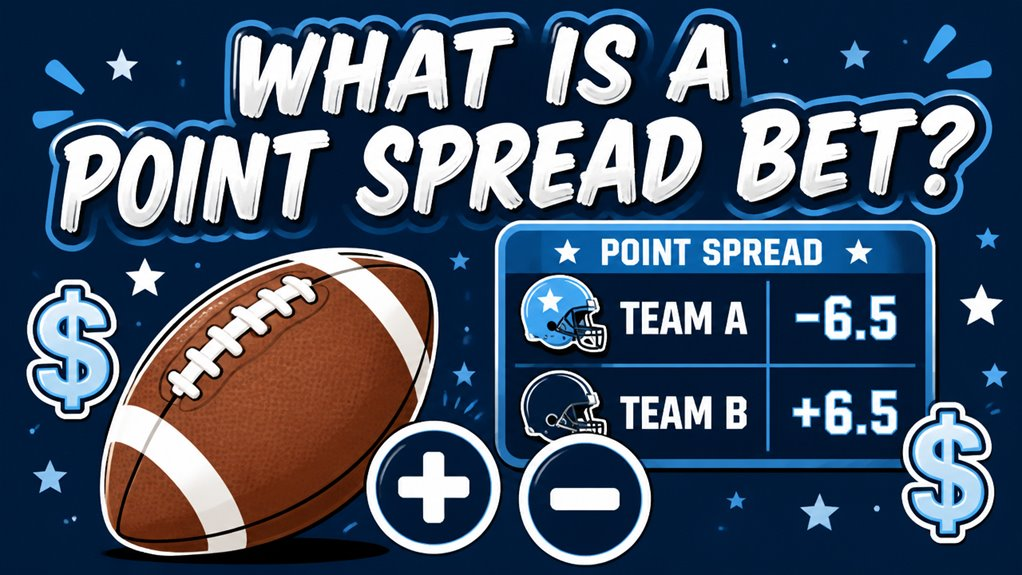
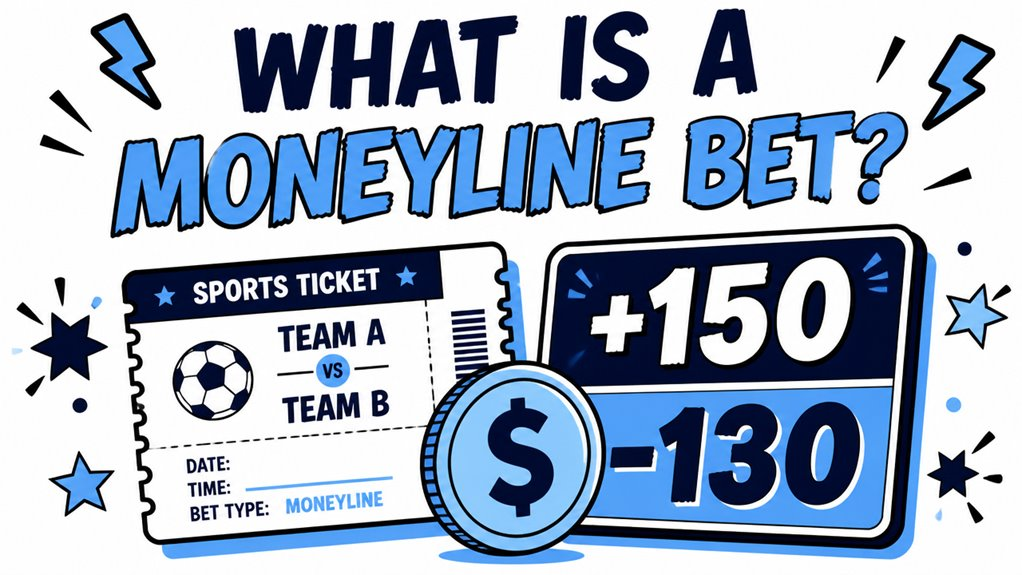
In point spread betting, the standard juice sits at -110, costing winning bettors 9.1%. Moneyline betting lines embed vig through favorite/underdog odds disparities. Parlays compound juice across every leg, dramatically inflating effective vig beyond individual straight bets.
- Point spreads silently drain profit with every single wager placed
- Moneyline favorites carry heavier implied probabilities, quietly eroding bettor returns
- Parlays transform compounded vig into a near-invisible profit engine for bookmakers
Futures and prop bets push implied probabilities further, with vig ranging 6%–15%. Recognizing these structural differences empowers bettors to identify genuine value across varying betting lines before committing capital.
How the Vig Erodes Your Long-Term Returns
Erosion, not elimination, defines how the vig damages long-term bettor profitability. Every commission or fee charged by sportsbooks systematically reduces potential returns across thousands of bets. At standard spread odds of -110, bettors must win 52.38% to avoid becoming a losing bettor—a threshold most never clear consistently.
| Win Rate | Bets Placed | Net Result (-110) |
|---|---|---|
| 50% | 100 | -$476 |
| 52% | 100 | -$96 |
| 52.38% | 100 | $0 |
| 54% | 100 | +$280 |
| 55% | 100 | +$476 |
The vig compounds this probability disadvantage over time. What appears marginally negative per bet becomes structurally devastating across volume. Sportsbooks engineer this mathematical certainty deliberately, ensuring that even disciplined bettors face significant long-term profitability challenges without extraordinary win-rate consistency.
What Are Fair Odds and How Do You Find Them?
Fair odds represent the true probability of an outcome stripped of any bookmaker margin, serving as the baseline against which bettors measure whether posted lines offer value. To calculate no-vig lines, bettors divide 100 by the sum of implied probabilities, normalizing the market odds to reflect actual true probability.
Fair odds strip away bookmaker margin, revealing the true probability that determines whether any posted line offers genuine value.
- Bookmakers systematically embed vig in sports markets, quietly eroding every wager placed
- Recognizing fair odds transforms raw data into genuine value betting opportunities
- Long-term profitability depends entirely on identifying when posted lines deviate from true probabilities
NFL markets typically carry tighter vig compared to college sports, where bookmakers extract higher margins. Converting standard -110 lines into fair odds exposes the precise profit margin bookmakers collect, equipping disciplined bettors with the analytical framework necessary to pursue sustainable long-term profitability.
How to Reduce the Vig You Pay on Every Bet
Minimizing vig requires systematic action across several fronts, each compressing the bookmaker’s embedded margin by measurable degrees. Bettors who compare odds across multiple sportsbooks immediately identify where reduced vig and juice exists. Prioritizing spreads and totals lowers baseline costs, while reduced juice promotions at -105 or -108 significantly shrink per-wager expenses. Disciplined bankroll management controls cumulative vig exposure, and utilizing promotional offers recovers costs otherwise lost to the bookmaker for accepting standard-line wagers.
| Strategy | Impact |
|---|---|
| Compare odds across books | Identifies lowest vig per place a wager |
| Reduced juice promotions | Cuts cost from -110 to -105/-108 |
| Utilize promotional offers | Offsets vig through bonuses and free bets |
Executing these strategies consistently produces measurable long-term savings against bookmaker margins.